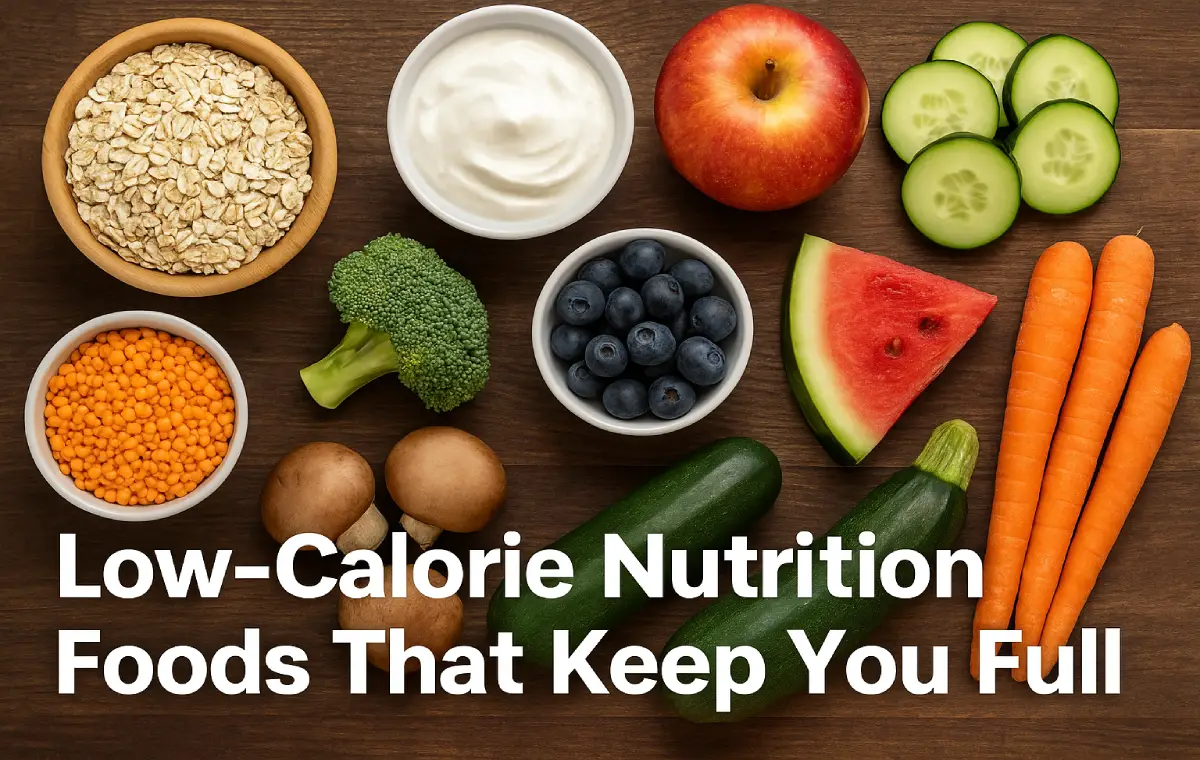
Every year brings new research on health and fitness, but the fundamentals of weight loss habits continue to evolve with better evidence. In 2026, scientists have a clearer understanding of what truly helps people lose weight and maintain it without extreme diets or complicated routines.
These ten weight loss habits are simple, sustainable, and supported by the latest research.
1. Prioritize Protein in Every Meal
Studies in 2026 continue to confirm that a high protein diet increases metabolism, lowers cravings, and helps preserve muscle during fat loss.
Even a breakfast with at least 25 to 30 grams of protein can improve blood sugar control through the day.
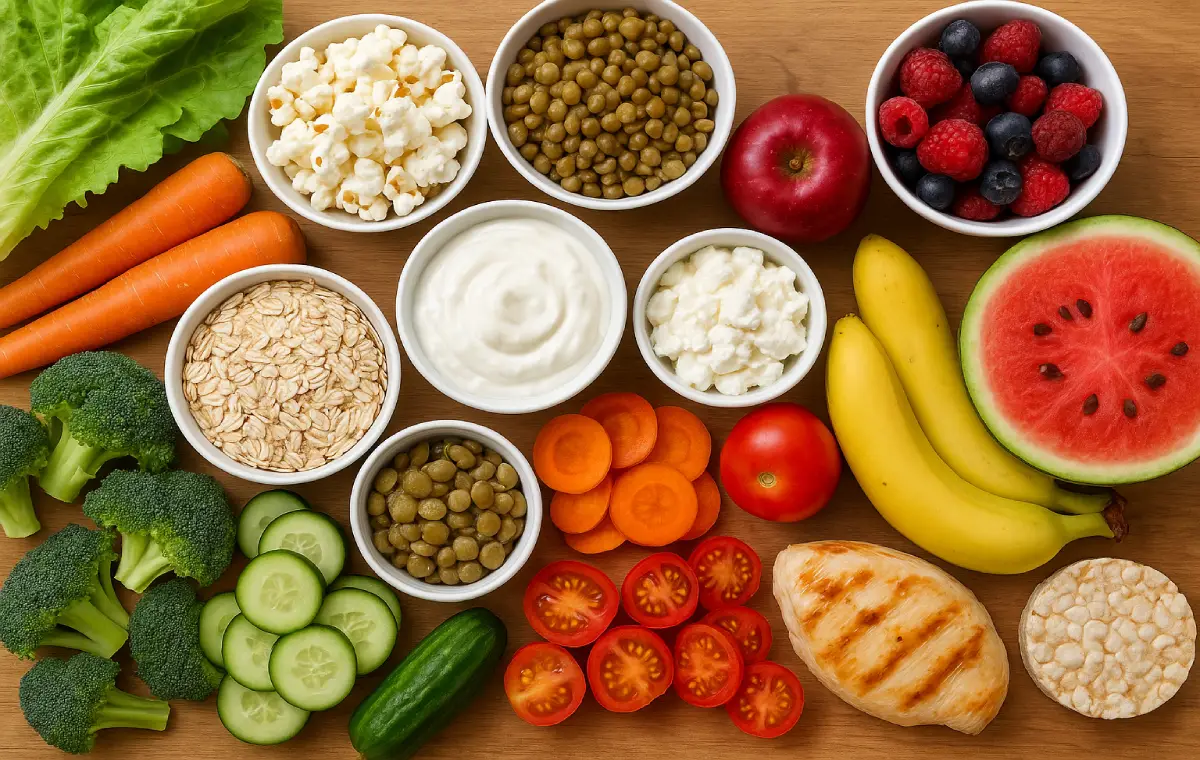
Good options: Greek yogurt, eggs, tofu, chicken breast, lentils, cottage cheese, or a protein smoothie.
2. Sleep Seven to Nine Hours for Better Appetite Control
New research shows that people who sleep less than six hours experience stronger cravings for high calorie foods and reduced metabolic rate.
Poor sleep increases the hunger hormone ghrelin and reduces the fullness hormone leptin.
Better sleep routine: stop screens before bed, keep your room cool, and follow consistent sleep timings.
3. Increase Fiber for Better Gut Health
Fiber supports the growth of healthy gut bacteria that regulate appetite, fat storage, and energy levels.
In 2026, gut health studies show that higher fiber intake is linked to noticeable reductions in belly fat without strict calorie counting.
Add these to your meals: oats, beans, vegetables, chia seeds, apples, and whole grains.
4. Drink Water Before Meals
A recent trial recreated in 2026 shows that drinking two cups of water before meals helps people eat fewer calories and lose more weight.
Hydration also improves digestion and temporarily increases energy expenditure.
Easy habit: drink a glass of water before every meal.
5. Follow the Twenty Minute Eating Rule
Your brain takes about twenty minutes to feel full. People who eat quickly consume significantly more calories and feel less satisfied afterward.
Behavioral studies in 2026 emphasize the importance of slow eating.
Try this: chew more, pause between bites, avoid eating while distracted.
6. Strength Training Twice a Week
Cardio burns calories, but strength training increases muscle which improves overall metabolism.
People with more lean muscle burn calories more efficiently even while resting.
You only need two short sessions per week using bodyweight movements or light weights.
7. Walk Eight Thousand to Ten Thousand Steps a Day
Walking remains one of the easiest and most effective weight loss habits.
A 2026 meta analysis confirms that walking regularly reduces body fat, improves insulin sensitivity, and lowers stress levels.
Simple tip: add small walks throughout the day to increase your daily step count.
8. Use the Eighty Twenty Eating Method
You do not need a perfect diet to lose weight. The eighty twenty rule encourages balanced eating where nutritious choices form most of your meals and the remaining portion is flexible.
This improves long term consistency because it prevents restriction and binge cycles.
9. Reduce Ultra Processed Foods
New research in 2026 shows that people who consume more whole foods naturally eat fewer calories and show greater fat loss even without dieting.
Ultra processed foods are engineered to be hyper rewarding which leads to overeating.
Healthy swaps: nuts instead of chips, oats instead of sugary cereal, home cooked bowls instead of fast food.
10. Track Simple Daily Habits
People who track at least one daily habit consistently lose more weight than those who track nothing.
You do not need complicated logs. Choose one or two metrics and stick to them.
Track these: steps, protein intake, water intake, sleep quality, or weekly measurements.
These ten weight loss habits are powerful because they work with your biology instead of against it.
You do not need extreme diets or intense workouts to make progress.
Start with two or three habits, apply them consistently, and let results compound over time.